
Gulf Ecosystem Initiative
The Gulf of America is a place where land, sea, people, and atmosphere are tightly coupled - where human impacts and climate change have a profound impact.
Applications for the Gulf Ecosystem Initiative 2026 Request for Proposals have now closed.
The Gulf Ecosystem Initiative is a partnership between the National Center for Ecological Analysis and Synthesis (NCEAS) in Santa Barbara, CA and the NOAA RESTORE Science Program to fund synthesis science working groups and postdoctoral research. Working groups of scientists and decision makers will collaborate to solve pressing questions across the Gulf. Synthesis science proposals and working groups will cover three main areas of research for decision making in the Gulf: fisheries, climate change, and the ecological impacts of management.
Climate Change: The Gulf is extremely vulnerable to climate change, especially sea level rise. Yet, despite decades of study in the region, we still lack fundamental understanding of feedback loops. How do human actions like oil and gas production change freshwater systems? How do coastal developments impact species migration? Working groups in the climate change focus will use climate data sets, models, and more to investigate questions like these that will better inform societal response.
Fisheries: Gulf fisheries contribute millions of dollars to the economy each year, supplying 40% of our domestic seafood. There is a wealth of long-term data sets on these important fisheries and their environments, but for proper management we need to better understand the links between fish ecosystems and their functioning. Working groups in this fisheries focus will leverage existing partnerships, forge new connections, and tailor products for specific stakeholders.
Ecological impact of management actions: There have been numerous targeted actions in the Gulf to address natural resource management, but how effective are they? This third focus area covers the ecological impact of past or current management actions at any scale in the Gulf. By synthesizing available data, groups will gain a deeper understanding of the outcomes of management decisions, which can inform future or ongoing action.
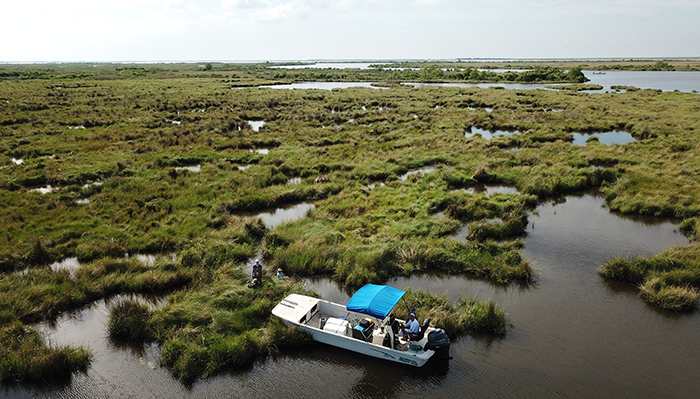
Additional Information
Explore a wide range of resources and relevant information to help you navigate the full working group process.
A working group is so much more than a collection of individuals working on a problem. We compiled best practices for team science, from germinating an idea to facilitating meetings. This guidance document is a great place to start!
Watch to learn more about the Gulf Ecosystem Initiative call for proposals. In this recording, we reviewed what NCEAS does, how working groups work, and tips for strong applications. Interested applicants also had the opportunity to ask questions about the process.
Find the recording and slides below:
View the November 5th, 2025 Informational Webinar Recording >>
View the slides from the webinar >>
-
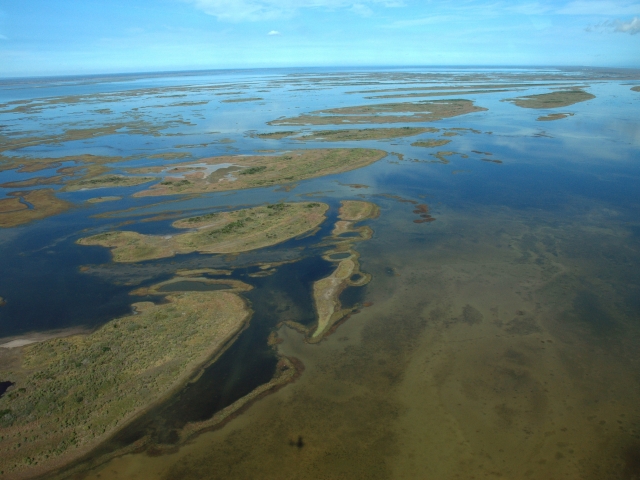
2023 Funded Proposals
Read more about the inaugural projects and postdoctoral scholars awarded through the Gulf Ecosystem Initiative, covering the impacts of severe weather and offshore wind development on fisheries.
-
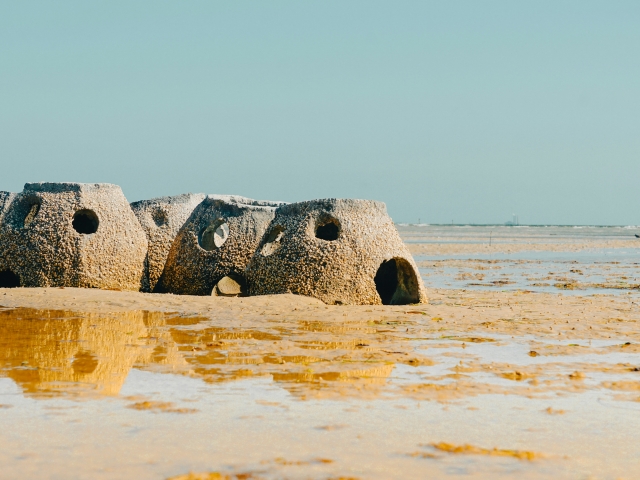
2024 Funded Proposals
Read more about the second round of GEI projects and a postdoctoral scholar, investigating fish distribution shifts, habitat restoration on fisheries, and the impacts of climate change and human disturbance to Gulf birds.
-
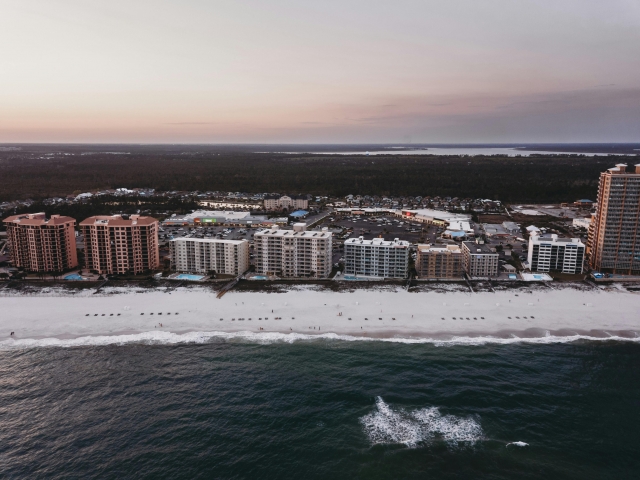
2025 Funded Proposals
Read more about the third round of projects awarded through the Gulf Ecosystem Initiative, covering the impacts of marine artificial structures and how AI can help bolster fisheries management.